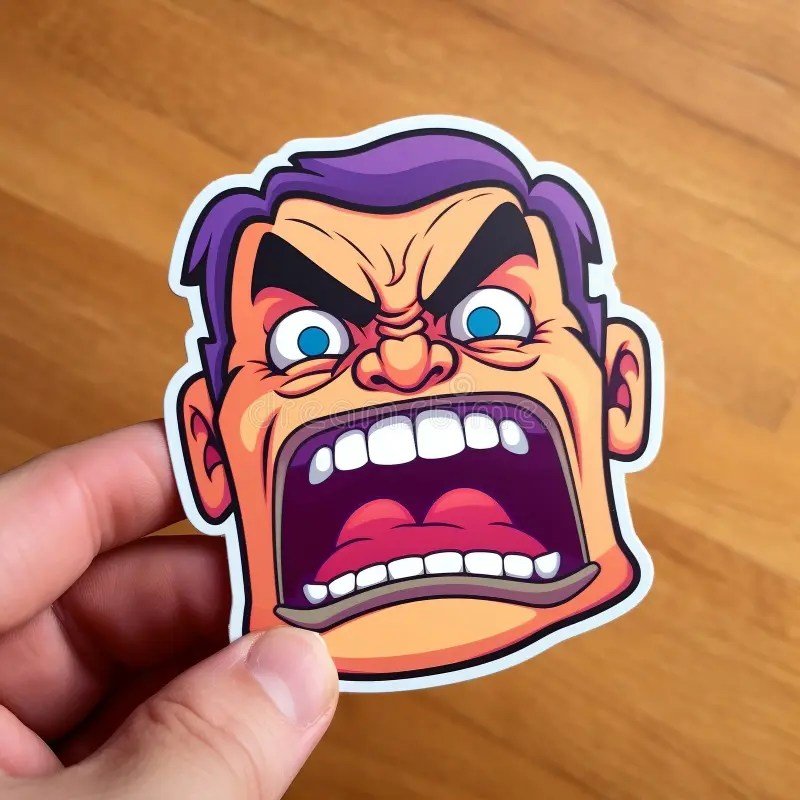
The humble sticker. Once a simple paper cutout, it’s now a vibrant canvas reflecting culture, self-expression, and pure whimsy. But what happens when you infuse this everyday object with the boundless creativity of artificial intelligence? You get AI Sticker Trends & the Future of Generative Art—a fascinating intersection that’s not just decorating our laptops but fundamentally reshaping how we think about digital art itself.
AI isn't just a fancy filter; it's a co-creator, transforming your wildest ideas into tangible visuals with unprecedented speed and scale. From quick, personalized emojis to complex, evolving art pieces, AI is pushing the boundaries of what a sticker can be and, in doing so, opening up entirely new frontiers for generative art.
At a Glance: What You’ll Discover About AI Stickers & Generative Art
- AI isn't just for sci-fi: It's democratizing sticker design, letting anyone create custom visuals instantly.
- Generative Art is dynamic: It uses algorithms to produce unique, ever-evolving visuals, far beyond static images.
- Prompt engineering is your new paintbrush: Crafting precise text inputs is key to guiding AI's artistic output.
- Stickers reflect cultural pulse: Expect trends like mental health awareness and visual storytelling to be amplified by AI.
- New challenges are emerging: Copyright, ownership, and ethical considerations are hot topics in this evolving space.
- The future is interactive & immersive: AI art will transcend screens, moving into AR/VR experiences.
- New careers are being born: From AI art directors to generative design engineers, the creative landscape is shifting.
The Digital Renaissance: How AI Is Reshaping Sticker Creation
For years, creating a custom sticker meant sketching, refining, and a painstaking design process. Now, AI has dramatically streamlined that journey, making bespoke graphics accessible to virtually everyone. Imagine needing a unique sticker for a social media post, a personal planner, or even a brand promotion – instead of hiring a designer or wrestling with complex software, you can simply describe what you envision, and AI brings it to life. This isn't magic; it's a sophisticated interplay of cutting-edge technology.
At its heart, this revolution is powered by artificial intelligence (AI) and machine learning (ML). These technologies allow algorithms to learn from vast datasets of existing images, understanding patterns, styles, and textures. When you provide a prompt, the AI doesn't just copy; it generates entirely new, original visuals based on its learned knowledge. It's a fundamental shift, moving from human-intensive design to human-algorithmic collaboration.
A key player in this process is the Generative Adversarial Network (GAN). Think of a GAN as two AIs locked in an artistic duel. One AI (the generator) tries to create new images, while the other (the discriminator) tries to figure out if those images are real or fake. This constant competition pushes the generator to produce increasingly realistic and novel images, leading to the high-quality, diverse, and often surprising results we see in AI-generated art, including stickers. Advancements like StyleGAN and BigGAN have significantly boosted the resolution, diversity, and control artists have over these creations.
Your Words, Their Art: The Power of Prompt Engineering
If AI is the artist, then prompt engineering is your communication channel. This technique transforms art creation by allowing you to customize visuals through precise input designs. You're not just typing "cute cat sticker"; you're guiding the AI with detailed descriptions: "a kawaii cat sticker, in pastel colors, with large sparkling eyes, holding a tiny coffee cup, isometric view, vector art style."
The more specific and imaginative your prompt, the closer the AI's output will be to your vision. Tools like OpenAI's DALL-E 3, Stable Diffusion, and Midjourney have made prompt engineering an accessible art form, enabling a dynamic collaboration between human creativity and machine intelligence. It's about learning to speak the AI's language, unlocking an endless palette of possibilities. In essence, you become a digital alchemist, turning words into stunning visual assets.
Beyond the Canvas: Understanding Generative Art's Core
While AI stickers are a tangible, trendy application, they're just one facet of a broader, more profound movement: digital generative art. This field leverages algorithms and AI to produce dynamic, evolving visuals that push traditional artistic boundaries. Unlike static art, generative pieces can be interactive, responding to user input or environmental factors, making each encounter unique.
The Pillars of Algorithmic Creation
The ground beneath generative art is built on several key technological pillars:
- Neural Networks: These are the deep learning brains of AI art. By analyzing huge datasets, neural networks learn patterns, styles, and textures, enabling machines to create original visuals. They're what allow AI to understand "kawaii" or "abstract expressionism" and then apply those learned attributes to new compositions.
- Algorithmic Creativity: This concept allows machines to produce complex, original works that mimic—and sometimes even surpass—human expression. Platforms like Artbreeder, which lets you blend and evolve images, are prime examples of algorithmic creativity in action, making sophisticated generative design accessible to the public.
- Interactive Media: Imagine an art piece that changes based on your movement, sound, or even your emotional state. Generative algorithms make this possible, creating immersive experiences that respond dynamically to user input. This shapes a new era where art is less a monologue and more a collaborative dialogue.
- Immersive Reality (AR/VR): Take interactive media a step further, and you enter the realm of augmented and virtual reality. Here, AI algorithms can generate adaptive visuals and soundscapes, creating deeply interactive, multi-sensory experiences. Digital art transcends traditional screens, enveloping you in its world.
These technologies don't just facilitate art creation; they redefine it. They allow for art that is not only created by code but also of code—art that lives, breathes, and evolves.
The Sticker Forecast: AI-Driven Trends for the Modern Creator
The sticker world is always evolving, driven by innovation and personal expression. As we look toward the near future, several trends are poised to dominate, with AI acting as a powerful accelerator, transforming how these trends manifest.
1. AI-Generated Stickers: The New Standard
This is the big one. AI-generated stickers are becoming mainstream because they bypass traditional design bottlenecks, offering quick graphics for any need. From personalized emojis for messaging apps to custom brand assets, the speed and flexibility of AI are unmatched. Imagine generating a dozen variations of a product sticker in minutes, iterating on text, style, and color without ever opening complex design software. However, this convenience comes with a crucial caveat: always consider intellectual property rights and commercial distribution licenses when using AI-generated content. You can Explore our AI sticker generator to see this power firsthand.
2. Holographic and Interactive AI Stickers
Holographic stickers, with their luminous, shifting effects, are already popular for product packaging and promotional items. Now, imagine AI designing these intricate holographic patterns, perhaps even creating animated holographic sequences that shimmer and morph. Couple this with interactive capabilities – perhaps a sticker that, when scanned with a phone, reveals an AR experience or a dynamic animation generated in real-time by AI. This fusion pushes the boundaries of a static sticker into a miniature, personalized digital portal.
3. Visual Storytelling Amplified by AI
Stickers have long been a way to tell a quick story or convey an emotion. With AI, this capacity explodes. AI can generate intricate imagery or characters that communicate complex ideas or narratives in a glance. Think of AI creating a series of stickers that, when viewed together, narrate a mini-adventure or illustrate a complex concept visually. This is ideal for quick messaging on social media, personal art projects, or even educational content where visual brevity is key.
4. Mental Health and Wellness: AI as an Empathy Engine
Mental health stickers are an impactful medium for spreading awareness and promoting self-care. AI can enhance this trend by generating a vast array of empowering messages, comforting illustrations, or calming abstract designs tailored to specific themes (e.g., mindfulness, resilience, breaking stigma). AI can also help create diverse representations, ensuring these messages resonate with a broader audience. Organizations and artists can leverage AI to quickly produce resources that support wellness initiatives, making a positive impact with engaging visuals.
5. Personalized and Niche Stickers at Scale
Whether it's Hobonichi planner accessories or graduation year commemorations, personalized stickers are beloved. AI takes this to the next level by enabling hyper-personalization at scale. Need a sticker that combines your favorite animal with your graduation year in a specific art style? AI can deliver. For Hobonichi planners, AI could generate custom to-do lists, reminders, or calendar markers that match your unique aesthetic and organizational needs, making productivity both personalized and effortless.
6. Original Illustration Meets AI: The Co-Creation Model
While AI can generate art from scratch, it also serves as a powerful tool for human artists. Many illustrators are now using AI as a creative partner—generating initial concepts, exploring style variations, or automating tedious parts of the design process. This collaboration allows original hand-drawn artwork to maintain its unique, personal touch while benefiting from AI's efficiency and ability to explore visual avenues a human might not initially consider. It's about leveraging AI to enhance, not replace, the artist's vision.
These trends highlight how AI isn't just a fleeting gimmick; it's a foundational technology reshaping the entire ecosystem of sticker design and generative art.
The Artistic Frontier: Styles and Applications of AI Generative Art
The impact of machine learning on art extends far beyond simple stickers. It has birthed entirely new artistic styles and applications, pushing the boundaries of what art can be and how it interacts with its audience.
New Artistic Styles Enabled by Machine Learning
- Neural Style Transfer: Imagine taking the artistic style of Van Gogh's "Starry Night" and applying it to a photograph of your cat. Neural style transfer algorithms make this possible, merging the content of one image with the style of another, creating fascinating hybrid pieces.
- GANs for Hyper-Realistic or Abstract Images: As mentioned, GANs excel at generating incredibly realistic images, blurring the line between AI creation and photography. But they're equally adept at producing purely abstract, dreamlike, or surreal compositions that challenge our perceptions, often seen in movements like deep dream surrealism.
- Real-Time Adaptive Algorithmic Art: This is art that lives and breathes. Algorithms can generate visuals that change in real-time based on environmental inputs (like sound or light), user interactions, or even data streams. This leads to art installations that are never the same twice, offering a truly dynamic experience.
- AI-Generated Hybrid Styles: AI doesn't stick to one genre. It can analyze and combine elements from disparate artistic movements, forging entirely new, unforeseen hybrid styles that push creative boundaries beyond traditional methods.
Applications Across the Art World
AI-generated art isn't just for digital screens. Its influence is expanding rapidly:
- Commercial Art and Design: From logo generation to advertising visuals, AI automates complex design tasks, democratizing creation and speeding up workflows for agencies and brands.
- Fine Art and Galleries: Galleries and museums are increasingly exhibiting generative works. This includes interactive installations, algorithm-driven displays that evolve over time, and immersive digital experiences that transport viewers into AI-created worlds.
- Fashion and Product Design: AI can generate endless variations of patterns, textures, and product designs, helping designers explore possibilities quickly.
- Music and Soundscapes: Generative AI also applies to audio, creating adaptive soundscapes for games, films, or interactive art installations.
By offering novel tools and entirely new mediums, AI is advancing creativity, expanding artistic boundaries, and fostering collaborative art creation that wouldn't have been possible even a decade ago.
Navigating the Future: Challenges and Opportunities in AI Generative Art
As exhilarating as the promise of AI generative art is, it's not without its complexities. This nascent field presents significant challenges, particularly around legal and ethical frameworks, while simultaneously opening doors to revolutionary opportunities.
The Elephant in the Room: Copyright, Authorship, and Ownership
This is perhaps the most contentious area. If an AI generates a piece of art, who owns it? The programmer who wrote the algorithm? The person who crafted the prompt? The AI itself? Current copyright laws were never designed for a world where machines create. They struggle with questions of authorship, originality, and the very definition of "creator."
- Authorship: Can an AI be considered an author? Most legal systems currently require a human author.
- Ownership: If a human guides the AI, do they own the output, or is it merely derivative work from the AI's training data?
- Originality: How much "human intervention" is needed for a piece to be considered original?
- Commercial Distribution Licenses: As noted earlier, if you're using AI-generated content for commercial purposes, understanding the terms of service for the AI model you're using is paramount to avoid potential legal issues.
These challenges necessitate urgent discussions and new legal frameworks to ensure fairness and foster continued innovation without stifling creativity.
Ethical Considerations: Bias, Misuse, and Representation
AI models are trained on vast datasets, and if those datasets contain biases (e.g., lack of diversity in images), the AI's output will reflect and even amplify those biases. This raises critical ethical considerations around representation and fairness. Beyond bias, the potential for misuse—generating deepfakes, harmful content, or plagiarized styles—is a constant concern that requires robust safeguards and responsible development.
Decentralized Ownership and Blockchain Authentication: A New Paradigm
Here's where technology offers a potential solution to some of the ownership dilemmas. Blockchain authentication provides immutable provenance and ownership verification via decentralized ledgers. This means every piece of AI-generated art can be assigned a unique, verifiable digital certificate.
- Non-Fungible Tokens (NFTs): These unique digital tokens, often built on platforms like Ethereum or Tezos, have become the primary mechanism for proving ownership of digital art. For generative art, NFTs can verify the unique algorithm, prompt, or output.
- Smart Contracts: These self-executing contracts automate royalties for artists, ensuring creators receive a percentage of future sales. This enhances transparency and reduces fraud, fundamentally transforming the economics of art markets by democratizing access and transforming art's valuation. Platforms like Art Blocks are leading the way in using Ethereum for generative art.
This decentralized approach disrupts traditional art markets by making ownership transparent and accessible globally.
Emerging Careers: Shaping the Future of Creativity
The rise of generative AI isn't just changing art; it's creating entirely new roles and career paths for humans:
- AI Art Director: Guides AI models to achieve specific artistic visions.
- Generative Design Engineer: Develops and refines the algorithms that create art.
- Algorithmic Artist: A new breed of artist who codes and prompts AI as their primary medium.
- Creative Coder: Uses programming languages (like Processing, p5.js, OpenFrameworks) to create interactive and generative experiences.
- NFT Art Creator: Specializes in creating and minting AI art as NFTs.
- Digital Content Strategist: Leverages AI to generate engaging visual content for brands.
- Interactive Experience Designer: Creates immersive, responsive art environments.
These roles underscore a shift from artists solely manipulating physical media to collaborating with intelligent machines, underscoring the vital role of human creativity in guiding and interpreting AI's output.
Practical Steps: Crafting Your Own AI Stickers and Generative Masterpieces
Inspired to jump in? The barrier to entry for creating AI stickers and generative art is remarkably low. Here's how to start:
- Choose Your Tool: Many powerful AI art generators are available.
- OpenAI's DALL-E 3: Great for highly specific and diverse outputs.
- Midjourney: Known for its artistic and often dramatic aesthetic.
- Stable Diffusion: Offers more control and can be run locally for advanced users.
- Artbreeder: Excellent for blending and evolving images.
- RunwayML: Offers a suite of AI-powered creative tools beyond just image generation.
- For more specific artistic coding, tools like Processing, p5.js, TouchDesigner, OpenFrameworks, TensorFlow, and Adobe After Effects with scripting are popular among creative coders.
- Master the Prompt: This is your secret weapon. Start simple, then add details.
- Subject: "A red panda"
- Style: "wearing a tiny bowler hat, steampunk aesthetic"
- Details: "sitting at a small wooden desk, quill in paw, sepia tones"
- Format: "sticker design, vector illustration, transparent background"
- Combine for: "A red panda wearing a tiny bowler hat, steampunk aesthetic, sitting at a small wooden desk with a quill in paw, sepia tones, sticker design, vector illustration, transparent background."
- Experiment with keywords like "illustration," "line art," "3D render," "pixel art," "watercolor," "oil painting," "surreal," "minimalist," etc.
- Iterate and Refine: AI rarely gets it perfect on the first try. Generate multiple versions, tweak your prompt, and guide the AI towards your vision. Small changes in wording can lead to dramatically different results.
- Consider the Purpose: Are you making a personal sticker for fun, a visual for a social media post, or a design for commercial use? Your purpose will influence your prompt and your legal responsibilities. Always check the platform's terms of service regarding commercial use and intellectual property.
- Embrace Experimentation: The beauty of generative art is its unpredictable nature. Some of the most stunning creations come from unexpected prompts or happy accidents. Don't be afraid to try bizarre combinations or abstract ideas.
The Human-Machine Collaboration Imperative
The most profound takeaway from the rise of AI sticker trends and generative art is the evolving role of human creativity. AI is not here to replace artists; it's here to empower them, to democratize the creative process, and to foster a new era of collaboration. Human insight, aesthetic judgment, ethical consideration, and the unique spark of imagination remain indispensable.
Generative art, at its core, is an extension of the human mind—a tool for visualizing the unimaginable, for rapid prototyping of ideas, and for creating art that is alive and responsive. The artist's role shifts from meticulous execution to visionary guidance, curating the AI's output and infusing it with purpose and meaning. This dynamic partnership will continue to unlock unprecedented levels of creativity and innovation, leading to art forms that are more personal, more interactive, and more immersive than ever before.
Looking Ahead: The Ultimate Evolution of Digital Art
The trajectory of AI sticker trends points directly to a future where digital generative art is ubiquitous, deeply integrated into our daily lives, and constantly evolving. Imagine bespoke advertising that adapts its visuals to your real-time mood, or educational materials that generate unique, engaging illustrations for every lesson. The lines between creator and audience will blur further as interactive media becomes the norm, inviting you to not just observe art, but to participate in its ongoing creation.
From personalized digital collectibles to grand immersive reality experiences, AI-powered generative art promises a world where creativity knows fewer bounds. It’s an exciting, challenging, and endlessly fascinating journey, and we're just beginning to explore its potential. The future of art isn't just digital; it's dynamically generated, human-inspired, and limitlessly inventive.