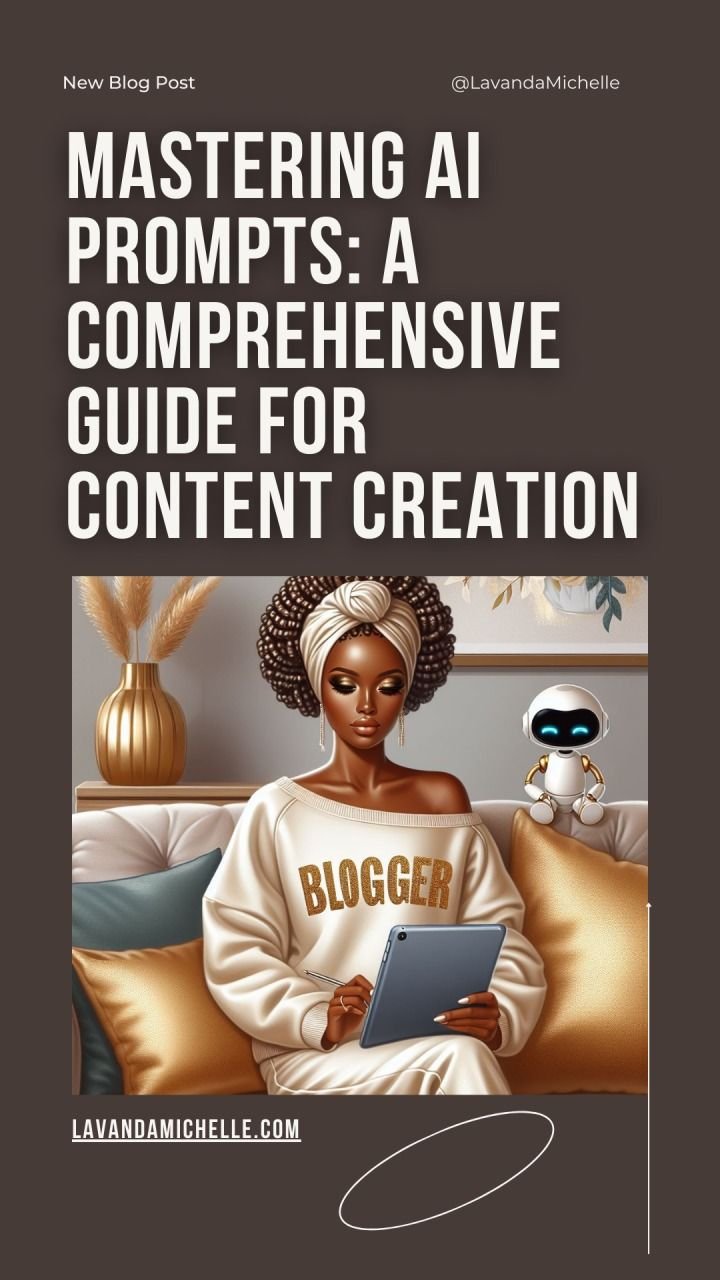
The digital marketplace is buzzing, and if you’ve scrolled through Etsy, Redbubble, or any print-on-demand platform lately, you've likely noticed a vibrant explosion of AI-generated stickers. These aren't just quirky doodles; they're high-quality, professional-grade designs that captivate audiences and drive sales. The secret weapon behind this creative boom? Mastering Prompts for AI Sticker Creation. It’s the difference between a generic image and a unique, commercial-ready sticker that perfectly embodies your vision.
Forget endlessly sketching or grappling with complex design software. With the right AI prompt, you can conjure up anything from adorable chibi characters to sophisticated botanical line art in moments. This guide will walk you through the precise language to use, the critical elements to include, and the subtle nuances that transform basic AI output into stunning, sellable sticker art.
At a Glance: Your Quick Guide to AI Sticker Prompt Mastery
- The Formula is Key: Use
[Subject] + [Art Style] + [Color Palette] + [Outline Style] + [Background] + [Format Details]as your base. - Be Specific: Vague prompts yield vague results. Define every element clearly.
- Art Style Matters: Whether it's kawaii, minimal, or aesthetic, choose a style that resonates.
- Outline is Crucial: A
thick white sticker outlinemakes your design pop and look like a real sticker. - Transparent Backgrounds are Gold: Essential for print-on-demand and easy layering.
- Refine and Enhance: Leverage AI editing tools to perfect your creations after generation.
- Iterate and Experiment: Don't be afraid to tweak your prompts based on initial results.
The Sticker Revolution: Why AI is Your New Best Friend
In a world hungry for unique visual content, AI sticker generators have become an indispensable tool for designers, artists, and entrepreneurs alike. The demand for cute, aesthetic, funny, and niche-specific stickers is booming, fueled by platforms where creators can quickly monetize their designs. From laptop decals to planner accessories, custom stickers add a personal touch that customers love.
What once required hours of design expertise, drawing, and digital manipulation can now be achieved with a few carefully chosen words. This democratizes design, allowing anyone with an idea to bring it to life, whether for personal projects or a burgeoning AI sticker generator business. The efficiency and creative possibilities are staggering, but it all hinges on how effectively you communicate with the AI.
Deconstructing the Perfect Prompt: Your Sticker Blueprint
Think of an AI prompt as a recipe. You wouldn't just tell a chef "make food" and expect a gourmet meal. Similarly, your AI needs detailed instructions to create professional-grade stickers. A strong sticker prompt isn't just a random string of words; it's a structured request designed to guide the AI toward a specific, high-quality output.
The most effective formula for AI sticker creation breaks down into these core components:[Subject] + [Art Style] + [Color Palette] + [Outline Style] + [Background] + [Format Details]
Let’s dissect each part to understand its role in crafting your perfect sticker.
Element by Element: Crafting Your Sticker Vision
Every word in your prompt acts as a brushstroke, shaping the AI's understanding and directing its output. Mastering these elements will allow you to generate designs that truly stand out.
1. The Subject: What's the Star?
This is the central focus of your sticker. Be as specific as possible. Instead of "dog," try "golden retriever puppy" or "regal greyhound." If it's a character, describe its mood or action.
- Examples:
kawaii cat holding a peachminimal botanical line-art flowercute bubble tea character with sparkly eyesadorable baby foxtext sticker that says "STAY COZY"
2. Artistic Style: Setting the Vibe
The style dictates the overall aesthetic and feel of your sticker. This is where you convey whether you want something playful, elegant, modern, or whimsical.
- Key Styles for Stickers:
- Chibi/Kawaii:
chibi style,kawaii aesthetic,glossy effect,cute cartoon style - Minimal/Line Art:
minimal line-art,elegant thin stroke,clean vector design - Aesthetic:
aesthetic sticker,simple flat design,soft lighting,minimal details,cute and calming style - Cartoon/Illustration:
fluffy cartoon style,chibi food art style,playful spooky vibe - Vector Art:
vector finish,clean vector(crucial for scalable, high-quality prints)
3. Color Palette: Painting the Emotion
Colors evoke feelings and define your sticker's overall mood. Specifying a palette helps the AI stick to a cohesive and appealing scheme.
- Popular Sticker Palettes:
- Pastel:
pastel palette,soft pastel tones,pastel pink palette,pastel gradients(ideal for kawaii, aesthetic, and gentle themes) - Warm Tones:
warm beige tones,warm neutral tones,warm orange tones - Specific Colors:
soft pastel orange and white palette - Vibrant/Bold: (less common for traditional "aesthetic" stickers but useful for specific themes)
4. Outline Style: The Sticker's Edge
This is one of the most critical elements for creating a realistic sticker appearance. A defined outline separates your design from the background and gives it that classic peel-and-stick look.
- Essential Outline Descriptors:
thick white outlinebold outlinebold white sticker borderthin outlineno outline(if you want a seamless design without a sticker border)
5. Background: Transparent is Key
For commercial use, especially on Etsy and print-on-demand services, a transparent background is almost always preferred. It allows customers to place the sticker on any surface without a distracting white box around it.
- Crucial Background Commands:
transparent backgroundno backgroundclear background- (Occasionally)
white backgroundorsolid color backgroundif that's part of the design.
6. Format Details: The Finishing Touches
These instructions tell the AI about the desired output quality, specific effects, or how the sticker should be presented.
- Important Format Details:
vector finish/clean vector(for crisp, scalable lines, essential for printing)printable sticker designsticker cutout(implies the shape is cut closely around the design)glossy effect(adds a realistic sheen)round shape(for specific sticker formats)
Your Starter Pack: Ready-to-Use Prompt Templates
To jumpstart your creative journey, here are some categorized prompt templates. Remember, these are starting points – mix, match, and modify them to fit your unique vision!
Chibi/Kawaii
cute bubble tea character with sparkly eyes, glossy effect, pastel palette, bold outline, transparent background, kawaii aesthetickawaii cat holding a peach, pastel palette, chibi style, thick white outline, vector finish, transparent background
Minimal Line Art
minimal line-art flower sticker, elegant thin stroke, soft beige tones, clean vector design, no background, modern aestheticminimal botanical line-art flower, thin outline, warm beige tones, clean vector style, printable sticker design
Aesthetic & Cozy
aesthetic sticker of a cozy daily moment, warm pastel tones, simple flat design, soft lighting, minimal details, cute and calming style, sticker cutout, white background
Text-Based Stickers
text sticker that says "STAY COZY", handwritten aesthetic font, warm neutral tones, minimalist flat design, sticker cutout
Food & Drink Characters
cute ramen bowl character with smiling face, steam hearts, pastel palette, thick sticker outline, chibi food art style
Adorable Animals
adorable baby fox sticker, fluffy cartoon style, warm orange tones, bold white sticker border, glossy finish
Holiday & Seasonal
adorable ghost holding a pumpkin, playful spooky vibe, soft pastel orange and white palette, bold sticker outline
Meme & Funny
Pastel green chibi frog, covering its face with webbed hands, peeking through fingers, 'I said that out loud?' text, embarrassed expression, lily pad and water droplets, transparent background, meme sticker
Digital Product / E-commerce
“Thank You for Your Order” sticker, aesthetic script font, pastel gradients, round shape, white border, cute small icons
The Pro-Level Polish: Essential Prompt Enhancers
While the core formula provides a solid foundation, these specific phrases can dramatically improve the quality, clarity, and commercial viability of your AI sticker designs. Think of them as high-definition filters for your prompt.
1. thick white sticker outline
This is perhaps the single most impactful phrase for creating a realistic, print-ready sticker. It tells the AI to generate that iconic, slightly raised white border that makes a design look like it's been professionally die-cut. Without it, your AI might generate an image that's hard to cut out or looks "flat."
2. vector art or clean vector
For any design intended for printing or scalability (resizing without losing quality), specifying vector art or clean vector is crucial. Raster images (like JPEGs or PNGs) can become pixelated when enlarged. Vector graphics, on the other hand, are mathematical paths that remain crisp and clear at any size, making them ideal for commercial stickers.
3. transparent background or no background
As discussed, a transparent background is non-negotiable for most commercial sticker applications. It ensures maximum versatility for your designs, allowing them to be placed seamlessly on any product or surface.
4. soft pastel palette
While you can specify any color, a soft pastel palette is often the go-to for essential kawaii or aesthetic sticker styles. It immediately conveys a gentle, pleasing visual tone that appeals to a broad audience looking for cute and calming designs.
Putting it all together with enhancers:
Let’s take a basic idea and elevate it with these pro-level additions:
Basic Prompt: bunny reading a book, pink color, cute style
This might give you a bunny, but it could be messy, lack a clear outline, and not be print-ready.
Improved Prompt: kawaii bunny reading a book, pastel pink palette, chibi proportions, thick white sticker outline, clean vector, no background
This prompt is far more likely to yield a professional, adorable, and commercially viable sticker. It defines the style (kawaii, chibi proportions), the color (pastel pink palette), the essential sticker outline (thick white sticker outline), and the print-ready format (clean vector, no background).
Beyond the Prompt: Refining Your AI Creations
Even with the most perfectly crafted prompt, AI generation can sometimes leave minor imperfections. This is where post-generation refinement tools come into play, transforming good designs into great ones.
One excellent option is the PixPretty AI Photo Editor, a free tool that offers a suite of functionalities specifically beneficial for sticker creation.
- Removing Messy Backgrounds: Sometimes, despite asking for a "transparent background," an AI might leave faint smudges or unexpected elements. Tools like PixPretty can efficiently clean up or completely remove unwanted backgrounds, ensuring a perfectly transparent canvas.
- Adjusting Colors: Perhaps the AI's "pastel pink" wasn't quite the shade you envisioned. You can fine-tune hues, saturation, and brightness to match your desired aesthetic or brand guidelines.
- Resizing Stickers: Different platforms and uses require different sticker dimensions. An editor allows you to precisely resize your designs without distortion, ensuring they fit perfectly whether for a digital product or a physical print.
- Batch Processing: For creating entire sticker packs, some tools offer batch processing capabilities, allowing you to apply consistent edits across multiple designs quickly.
Combining the power of structured AI prompts with intelligent editing tools is how you achieve consistently high-quality, professional sticker packs ready for commercial success.
Troubleshooting Common Prompt Pitfalls
Even seasoned pros encounter unexpected results. Here's how to navigate common issues:
- "My sticker looks blurry/pixelated."
- Fix: Ensure you've included
vector artorclean vectorin your prompt. If not, the AI might generate a raster image. - "It has a background I don't want."
- Fix: Double-check you've explicitly stated
transparent backgroundorno background. If it still appears, use a background removal tool like PixPretty. - "The style isn't quite right."
- Fix: Be more specific with your style descriptors. Instead of just "cute," try
kawaii chibi styleoraesthetic simple flat design. Experiment with different synonyms or combinations of style terms. - "The colors are off."
- Fix: Refine your color palette terms.
Soft pastel paletteis good, butsoft lavender and mint pastel paletteis even better. Remember you can always adjust colors in an editing tool. - "It doesn't look like a sticker!"
- Fix: This almost always means you've omitted
thick white sticker outlineor similar descriptors. This phrase is key to the sticker aesthetic. - "The AI is adding extra, unwanted elements."
- Fix: Sometimes, AI can be too creative. Try adding negative prompts (e.g.,
no text,no shadow,simple background) if your generator supports them. Otherwise, try to be more precise about what should be there, leaving less room for AI interpretation.
Your AI Sticker Creation Workflow: From Idea to Income
- Brainstorm Your Idea: What subject, theme, or character do you envision? Who is your target audience?
- Draft Your Prompt: Using the
[Subject] + [Art Style] + [Color Palette] + [Outline Style] + [Background] + [Format Details]formula, construct your initial prompt. Incorporate the "pro-level polish" terms. - Generate & Evaluate: Input your prompt into your chosen AI image generator. Review the results critically.
- Iterate & Refine: If the results aren't perfect, tweak your prompt. Add more detail, remove ambiguous terms, or try different synonyms. Generate again.
- Post-Processing & Enhancement: Once you have a strong base image, use a tool like PixPretty to clean up backgrounds, adjust colors, and resize to your exact specifications.
- Prepare for Sales: Export your final, high-quality sticker designs as PNGs (with transparent backgrounds) or SVG files (if vector) ready for upload to Etsy, Redbubble, or your preferred platform.
From Prompt to Profit: Your Journey to AI Sticker Mastery
The ability to communicate effectively with AI is quickly becoming a valuable skill in the digital age. By meticulously crafting your prompts, understanding the nuances of artistic styles, and leveraging intelligent editing tools, you're not just creating images—you're generating commercially viable products.
The journey to Mastering Prompts for AI Sticker Creation is one of continuous learning and experimentation. Don't be afraid to play, test new combinations, and push the boundaries of what the AI can create. With each refined prompt and perfected design, you're building a valuable skill set that can transform your creative ideas into tangible success. The world of AI-generated stickers is ripe with opportunity, and your well-crafted prompts are the key to unlocking its full potential.